Brands that stay relevant are often the ones with flexible systems behind them

STEVEN G JAMES,
DIRECTOR, FEDERATION DESIGN

Fashion Branding Needs More Than Taste

In fashion, a premium brand is not only defined by how it looks, but by how well the systems behind it support speed, consistency and service.

Fashion branding operates under a particular kind of pressure. It has to feel current without becoming trend-chasing, premium without becoming cold, and distinctive while often working within a visual language that is deliberately restrained. In tailoring especially, the product needs room to lead. The garment, the fit and the quality of the service should remain central, which means the brand has to create confidence and desirability without overpowering the craft itself.

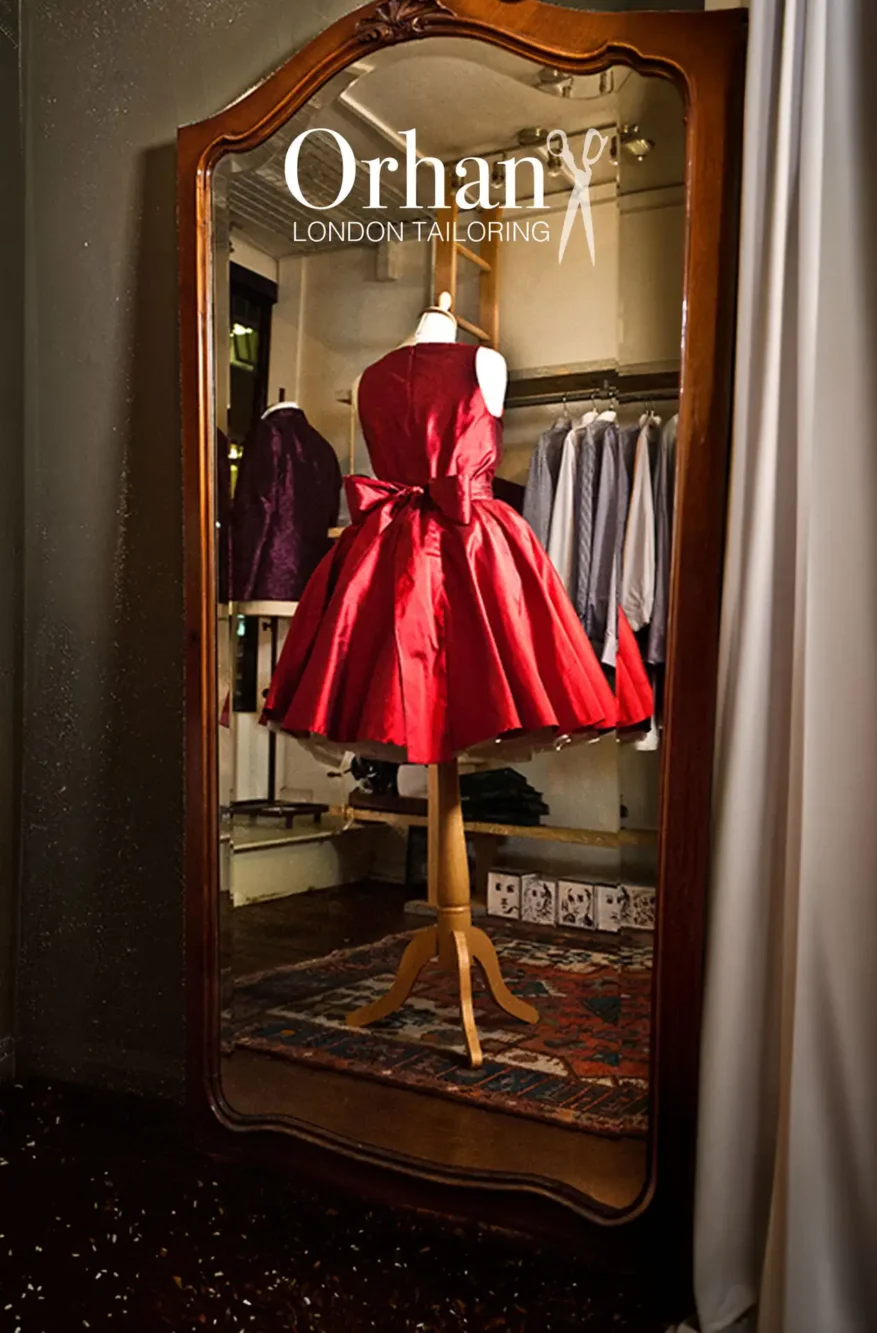
That was the challenge with this Shoreditch-based bespoke tailor. In a style-conscious part of London, the business needed to feel refined, contemporary and luxurious, while still remaining approachable and easy to engage with. Over more than ten years, we have supported the brand across five website iterations, a rebrand, packaging, printed materials, signage, hosting and CRM management.

The objective was never to make the brand louder. It was to help the business stay visually relevant and operationally joined up as the market, customer expectations and day-to-day needs evolved.

fashion branding

The update was designed to position the business as stylish, confident and premium, without feeling stiff or overly formal. That thinking carried across every touchpoint. Bags and boxes were designed to extend the experience beyond the fitting room. Signage helped reinforce confidence and place. Brochures, price lists, press adverts and HTML email marketing all needed to feel like they belonged to the same world. In fashion, consistency matters because customers are not only buying a product or service; they are buying into a standard of taste, detail and reassurance.

What is particularly interesting in fashion is that many of the strongest brands are also some of the cleanest. That is not accidental. Simplicity often plays a strategic role, especially in categories where the product itself should do most of the talking. A strong identity in this space is often less about adding visual noise and more about removing distraction. The brand should create the right conditions for the garments to speak for themselves, while still giving the business a distinctive and credible point of view.

At the same time, fashion brands cannot rely on aesthetics alone. Trends move quickly, customer expectations shift, and digital touchpoints date faster than many businesses expect. Fashion branding therefore needs an infrastructure that allows it to stay current without having to start over every time something changes. That includes the website, booking journey, communications, hosting environment and CRM logic behind the scenes. Without that flexibility, even a strong identity can start to feel disconnected from the experience it is meant to support.

For this client, technology played a practical role in protecting the brand experience. HubSpot-powered automations helped streamline communications, appointment handling and alteration updates, while selected CRM data was pushed into Google Sheets for use by legacy forecasting systems. The result was a setup that kept the customer-facing brand polished, while improving the operational flow behind it.

To support decision-making at different levels of the business, we also developed reporting dashboards for each line of sight level.

Rather than treating reporting as one generic view, the dashboards were structured so different stakeholders could focus on the information most relevant to them — from higher-level commercial visibility for leadership, to operational reporting for day-to-day management. This made it easier to connect customer activity, appointments, alterations and workflow data back to practical business decisions, while giving the team clearer visibility over performance without adding manual reporting overhead.

That operational layer became increasingly important as the business evolved. We helped set up the appointment booking platform through Calendly, giving the client a cleaner and more reliable route for managing consultations. HubSpot was then used to support customer communications and reduce manual administration, including SMS notifications when alterations were complete and appointment reminders where needed. These may sound like back-office details, but in a premium service business they are part of the brand. Customers do not separate the elegance of the website from the ease of booking, or the quality of the garment from the clarity of the communication that follows it. Poor process quickly becomes poor branding.

In this case, data from HubSpot was output to Google Sheets so it could feed into the client’s existing forecasting software.

The same applies to legacy systems. Established businesses often rely on operational tools that still matter commercially, even if they are no longer the most modern platforms in the stack. In this case, data from HubSpot was output to Google Sheets so it could feed into the client’s existing forecasting software. That kind of integration work is rarely the most visible part of a project, but it is often what makes the wider setup genuinely useful. Rather than forcing a full replacement of older systems, the infrastructure was designed to connect newer tools with existing operational processes, allowing the brand to move forward without breaking the mechanisms the business still depended on.

This is where branding and technology stop being separate conversations. In many businesses, brand is treated as the visible layer and systems are treated as the hidden layer. In reality, they reinforce each other. A polished identity without reliable process feels superficial. Good systems without a coherent brand feel transactional. The strongest businesses, particularly in fashion, combine both: a clear and current identity on the surface, and a dependable operating model underneath. That combination is what allows a brand to feel elevated, effortless and consistent over time.

The long-term value of the work for this client has come from exactly that balance. The brand has remained visually polished and relevant, while the supporting systems have helped streamline appointments, communications and day-to-day customer management. The website has been able to evolve with the business. The CRM has supported more efficient workflows. Packaging and signage have reinforced the same premium impression as the digital experience. And the technical layer behind it all has made it easier for the business to adapt without losing coherence.

In fashion, relevance is rarely achieved through appearance alone. It is sustained through a combination of identity, service and infrastructure. The brands that stay sharp are usually the ones that understand that every touchpoint matters, and that staying current depends as much on flexible systems as it does on good taste.

back to insights

We work on big and small projects.

Do you have something we can help you achieve. Tell us about it here and we will give you some feedback and ideas to help you execute it.


Let us know how we can help and a member of our team will be in touch.