Every project starts with understanding the problem you’re trying to solve. Whether you need a smarter digital platform, impactful exhibition materials, or high-quality print and brand assets, we work closely with you to develop solutions that are practical, effective, and built around your goals.
A custom platform is a web application designed around a specific business process or user group. Unlike off-the-shelf software, it is built to match the exact workflows, permissions, data requirements, and functionality your business needs.
Platforms can be built for many different user types, including clients, partners, agents, employees, investors, or suppliers. The structure and features depend on who needs to use the platform and what actions they need to take within it.
In many cases, yes. A custom platform can replace disconnected spreadsheets, email chains, and manual admin with a more structured and reliable digital process. This usually improves visibility, reduces errors, and saves time across teams.
Yes. Platforms can include secure document uploads, form submissions, dashboards, progress tracking, reporting areas, and many other features depending on the process being supported. The goal is to make the experience easier for users and more efficient for the business.
Yes. Platforms can integrate with CRMs such as HubSpot, as well as other internal systems and third-party tools via API. This allows data to move between systems more cleanly and helps create a more connected operational setup.
Yes. Because the platform is custom built, it can be developed in stages and expanded as the business grows. New features, integrations, user types, and workflow changes can all be added over time as needs evolve.
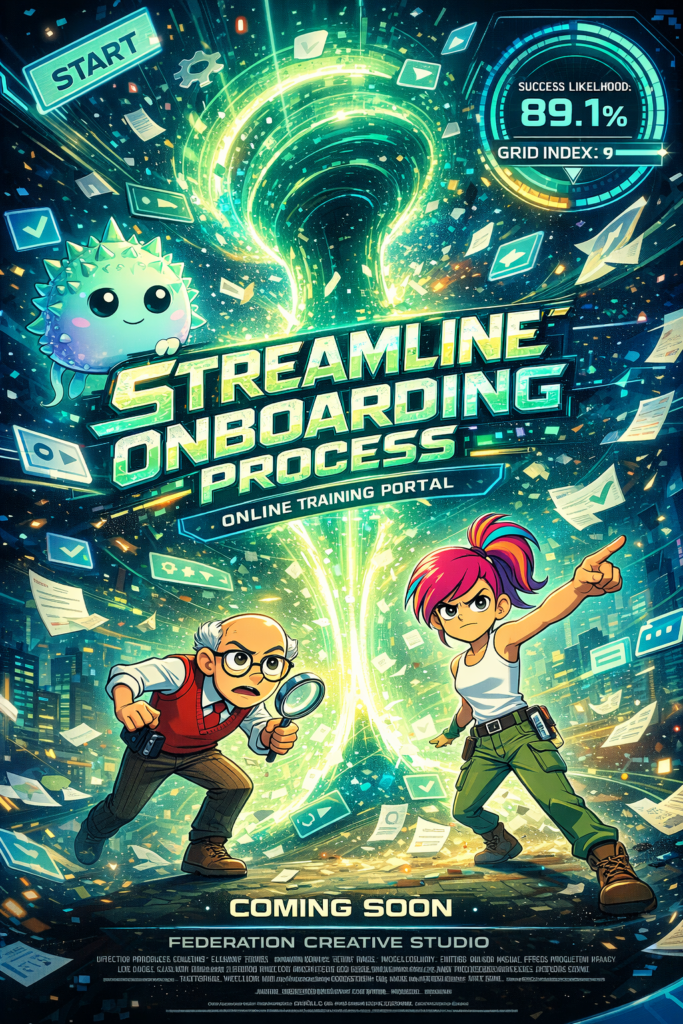
Yes. Custom platforms are often used to streamline onboarding by guiding users through forms, uploads, training, approvals, and other setup tasks. This helps reduce delays, improve consistency, and remove manual administration from the process.
Our platforms are typically built in React or Vue, depending on the project requirements. This allows us to create fast, modern and scalable interfaces that can support more advanced workflows and API-driven functionality.
A certified HubSpot partner brings both platform knowledge and implementation experience. That means you get more than just technical setup — you get support with structure, process design, automation, reporting, integration, and long-term optimisation.
Yes. Existing contacts, companies, deals, notes, and other records can usually be migrated into HubSpot from spreadsheets, legacy CRMs, or other platforms. A good migration process helps protect data quality and keeps the new system clean and usable.
That is very common. Many businesses already have HubSpot in place but are only using a small part of its capability. In those cases, the focus is usually on auditing the setup, improving structure, refining automation, cleaning the data, and making the portal work harder for the business.
Yes. HubSpot can integrate with websites, forms, email tools, document signing platforms, booking systems, reporting tools, and many other third-party systems. This helps create a more connected setup and reduces the need for duplicate admin.
Yes. One of HubSpot’s strengths is that score properties can be used across other tools in the platform, including workflows, segmentation, and reports. That means businesses can build joined-up processes where lead quality influences routing, follow-up, and performance analysis automatically.
Yes. Because HubSpot can combine property-based data with engagement-based activity, it can be used to segment records by persona, lifecycle stage, source, score, and interactions. Those segments can then be used inside workflows, prospecting, and reporting.
Yes. HubSpot supports personas through its CRM property structure, allowing businesses to create and manage persona values that can then be used for segmentation, reporting, and broader sales and marketing alignment.
Yes. HubSpot includes a forecasting tool that lets teams track progress against revenue goals, use deal stages and forecast categories to model likely outcomes, and monitor forecast accuracy over time. HubSpot also has AI projection features in forecasting, including weighted pipeline views based on deal amount and probability.
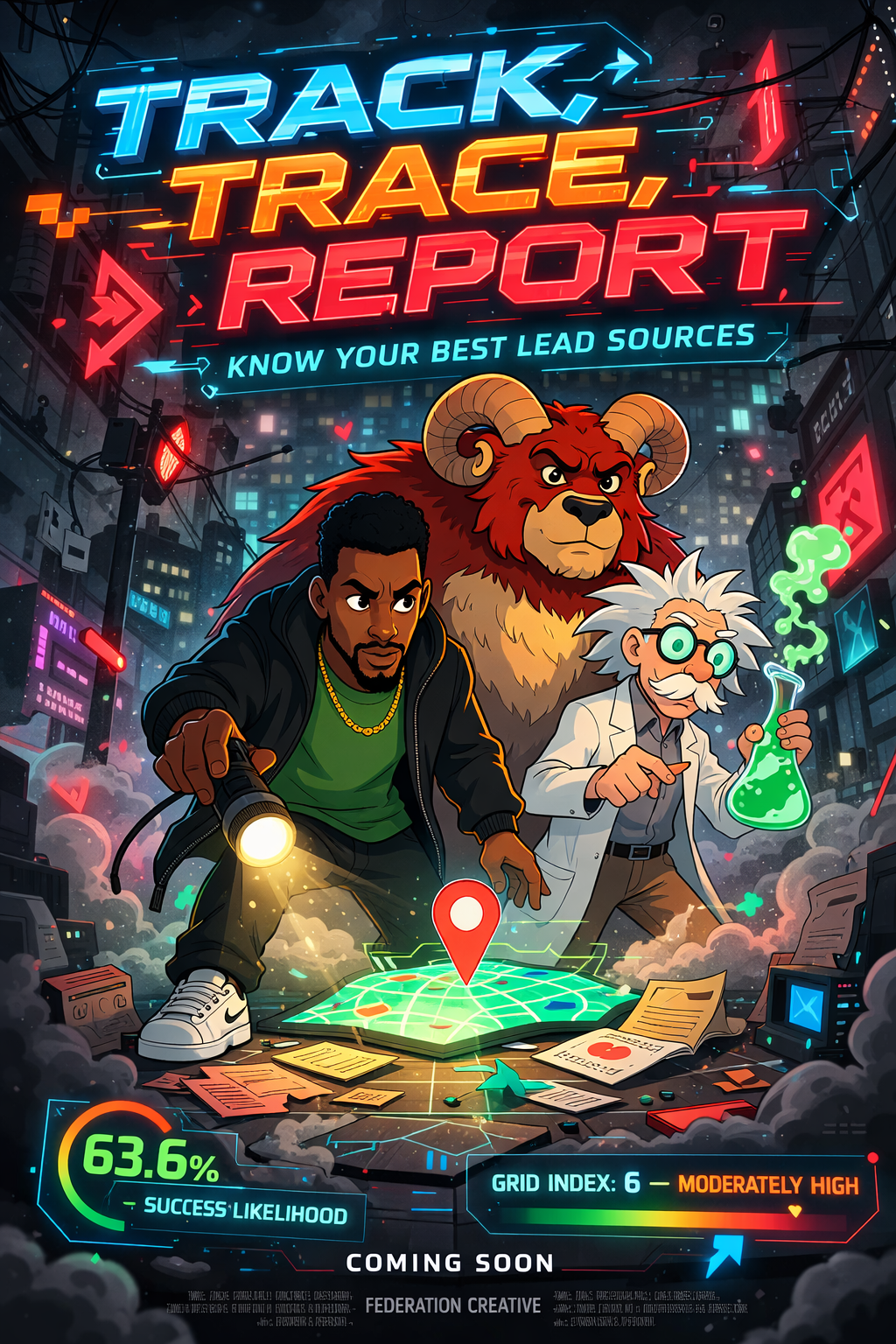
Yes. When configured properly, HubSpot can help sales teams work more efficiently by improving lead visibility, structuring pipelines, automating follow-up tasks, and making it easier to prioritise opportunities. It also gives managers a clearer view of what is happening across the pipeline.
Hosting affects how fast, stable and reliable your website or web application is. Even a well-designed website can underperform if the hosting environment is not strong enough to support the traffic, content or functionality it needs to handle.
Yes. We provide hosting for both standard websites and more complex web applications, with setups tailored to the level of performance, traffic and system demand required.
Yes. We offer different hosting tiers, from affordable solutions for smaller websites through to high-performance dedicated environments for larger, faster or more demanding platforms.
Yes. Optimisation is important, but the hosting environment also has a major impact on speed and responsiveness. Better hosting can improve load times, support more users at once and reduce performance issues during busy periods.
Yes. E-commerce websites often place more demand on servers because of product volume, user activity and third-party integrations. We provide hosting environments better suited to these more resource-heavy platforms.
Yes. Where needed, we can launch and manage projects on broader cloud infrastructure such as Google Cloud or AWS, particularly where scalability, speed and resilience are important.
Yes. Email mailboxes can be connected with CRM platforms such as HubSpot, helping teams keep communication records in one place and create a more connected sales or service process.
Yes, we can refresh or completely rebrand your existing business. Whether you need a modern logo update or a full brand transformation, we create a strategy that aligns with your goals and target audience.
The branding process usually takes 1–3 weeks depending on the scope of the project. This includes research, concept development, revisions, and final delivery of brand assets.
Branding is the process of creating a unique identity for your business through visuals, messaging, and strategy. It helps you stand out from competitors, build trust with your audience, and create a strong, memorable impression in the market.
Omni-format content is content designed to work across multiple platforms, screen sizes and uses from the outset. Rather than creating a single video for one channel, the content is structured so it can be adapted for social media, websites, digital ads, presentations and other campaign touchpoints. This creates a more consistent brand message and makes campaigns more efficient to deliver.
Yes. Content can be planned and produced in a way that allows it to be repurposed across multiple channels and formats. This means a single project can be developed into a wider set of assets, such as reels, cut-down edits, website banners, presentation visuals or paid ad variations, helping you get more value from the original production.
The best format depends on where the content will be used and what it needs to achieve. Short vertical videos work well for Instagram Reels and social campaigns, while landscape formats are often better for websites, presentations and YouTube. Motion graphics, animated infographics and intro stings can all be tailored to suit specific platforms and audiences.
Costs depend on the scope of the project, including scripting, storyboarding, animation style, editing, voiceover, music and the number of final versions required. Short-form content such as Instagram Reels or intro stings is usually more cost-effective, while larger explainer videos or campaign assets involve more production time and planning.
Timescales vary depending on the length, complexity and number of deliverables, but most projects take anywhere from a day to several weeks. A simple animated social reel or intro sting can often be turned around quickly, while a fully scripted explainer animation with storyboard, voiceover and multiple outputs will take longer.