Transforming a Destination Café near Silverstone into a Motorsport-Led Experience with attractive and impactful custom wall artwork
For hospitality venues, atmosphere can be just as important as location. When a space already has a strong reputation and a loyal following, the environment needs to live up to the story behind it.
For this client, the opportunity was to turn an outdated interior into something far more memorable — a space that reflected its place in the heart of British motorsport and gave customers an experience worth talking about. The result was a fast-turnaround interior transformation designed to celebrate motorsport culture, strengthen the venue’s identity, and turn the café itself into a talking point.
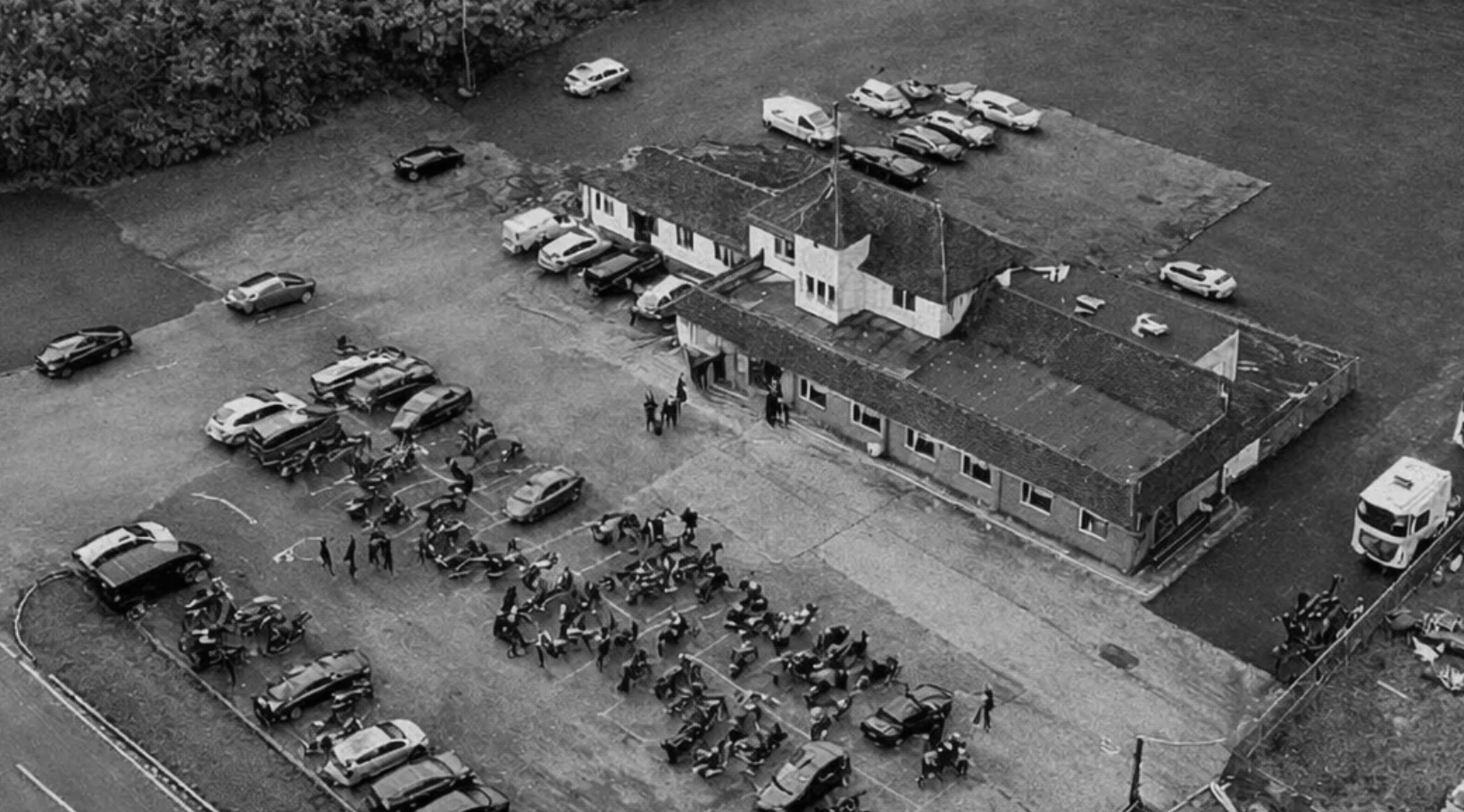
Our client owns a destination café located near the Silverstone racetrack in the UK, right in the heart of what is often referred to as Motorsport Valley — the area where much of British motorsport is based.
The café already attracted the right kind of audience. Motorcycle groups used it as a stop-off point during longer rides and grand tours, while car enthusiasts and motorsport fans often met there before heading on to local tracks and events. It had all the ingredients of a strong destination venue, but the interior no longer reflected that status.
The space felt old and tired. It did not do justice to the character of the café, its customer base, or the wider motorsport heritage that surrounded it. For a venue so closely tied to speed, engineering, and enthusiast culture, the interior lacked the sense of identity and excitement it should have had.
There was also a time pressure. An Easter open day was approaching, and the venue needed to be transformed in time for the event. That meant the project had to be developed, produced, and installed against a tight deadline, adding pressure for both the client and the delivery team.
The challenge was to create something visually impactful, true to the setting, and memorable enough that customers would leave talking about it.
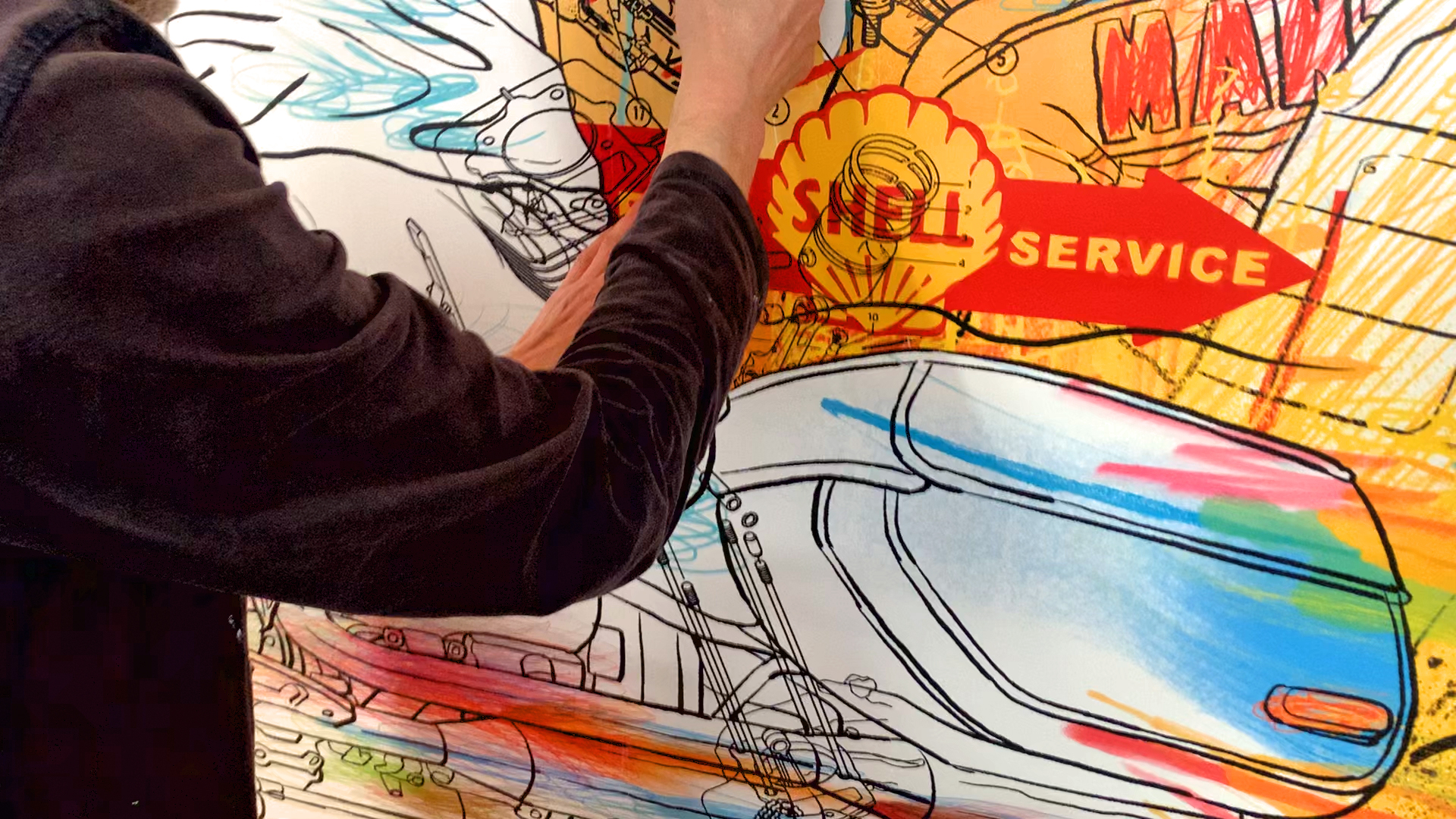
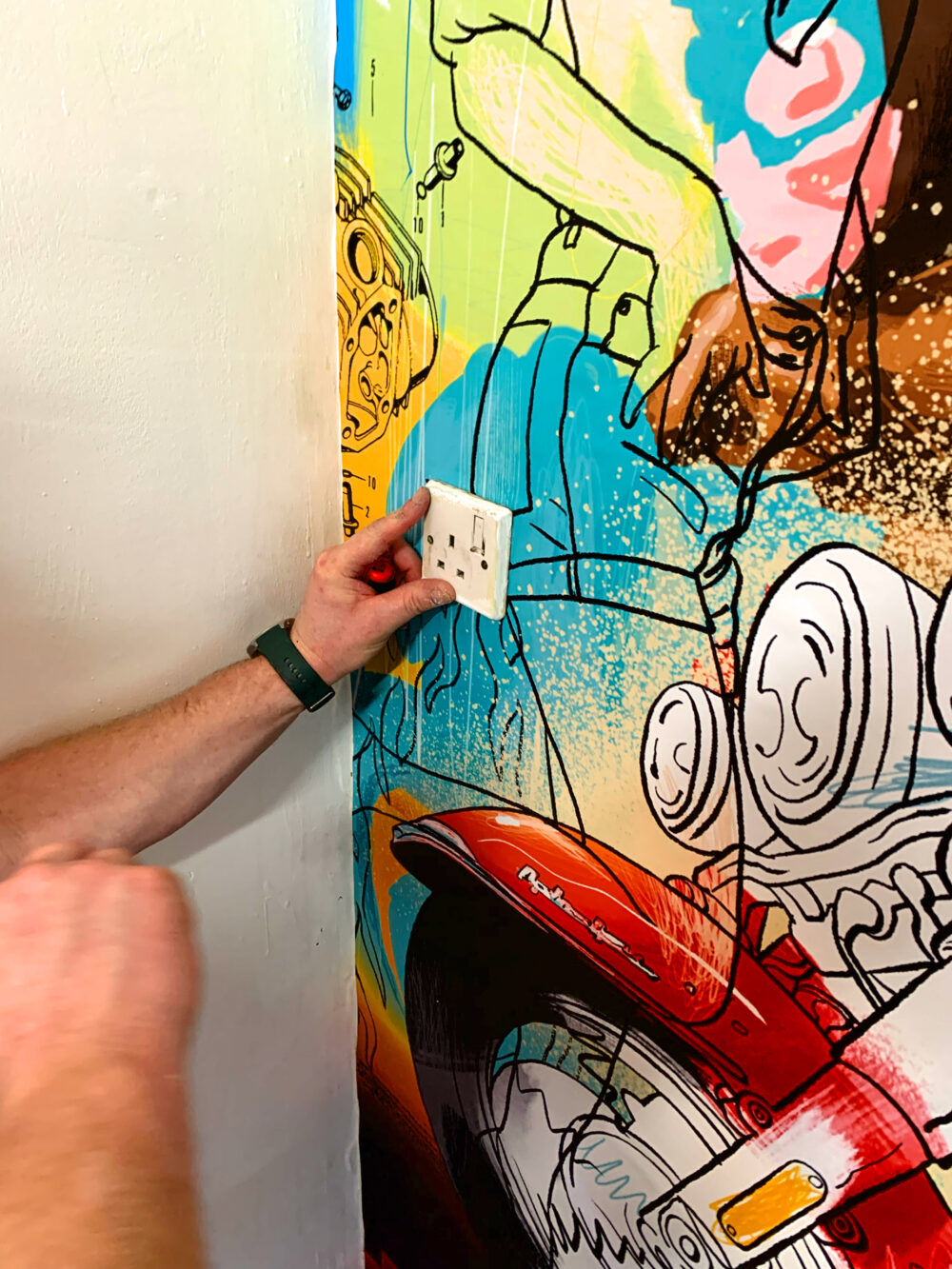
It was decided that all three rooms within the café would be renovated and enhanced with custom-designed wall artwork, turning the interior into a fully immersive motorsport-led environment.
Each room was given its own concept while still contributing to the overall identity of the venue.
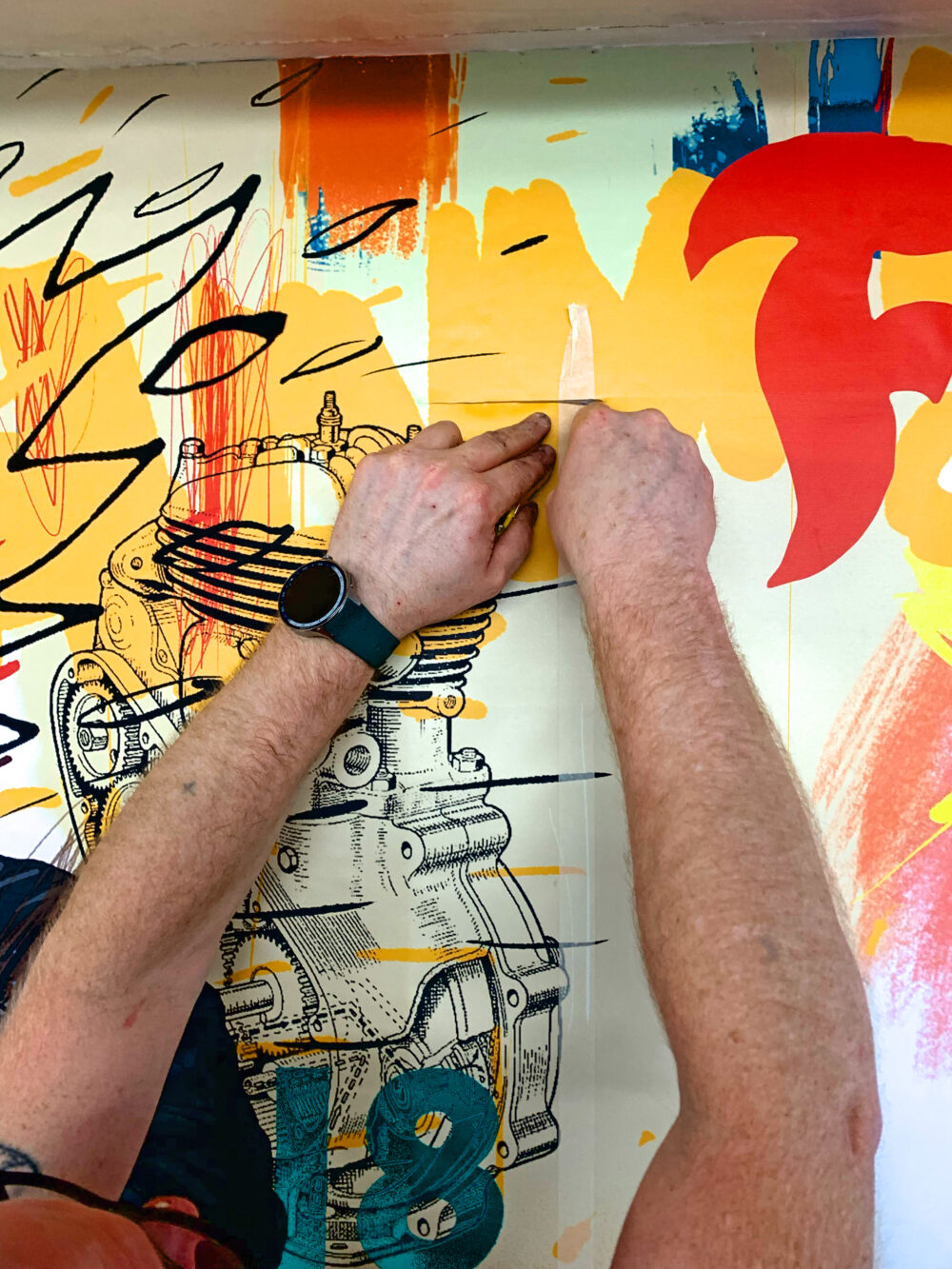
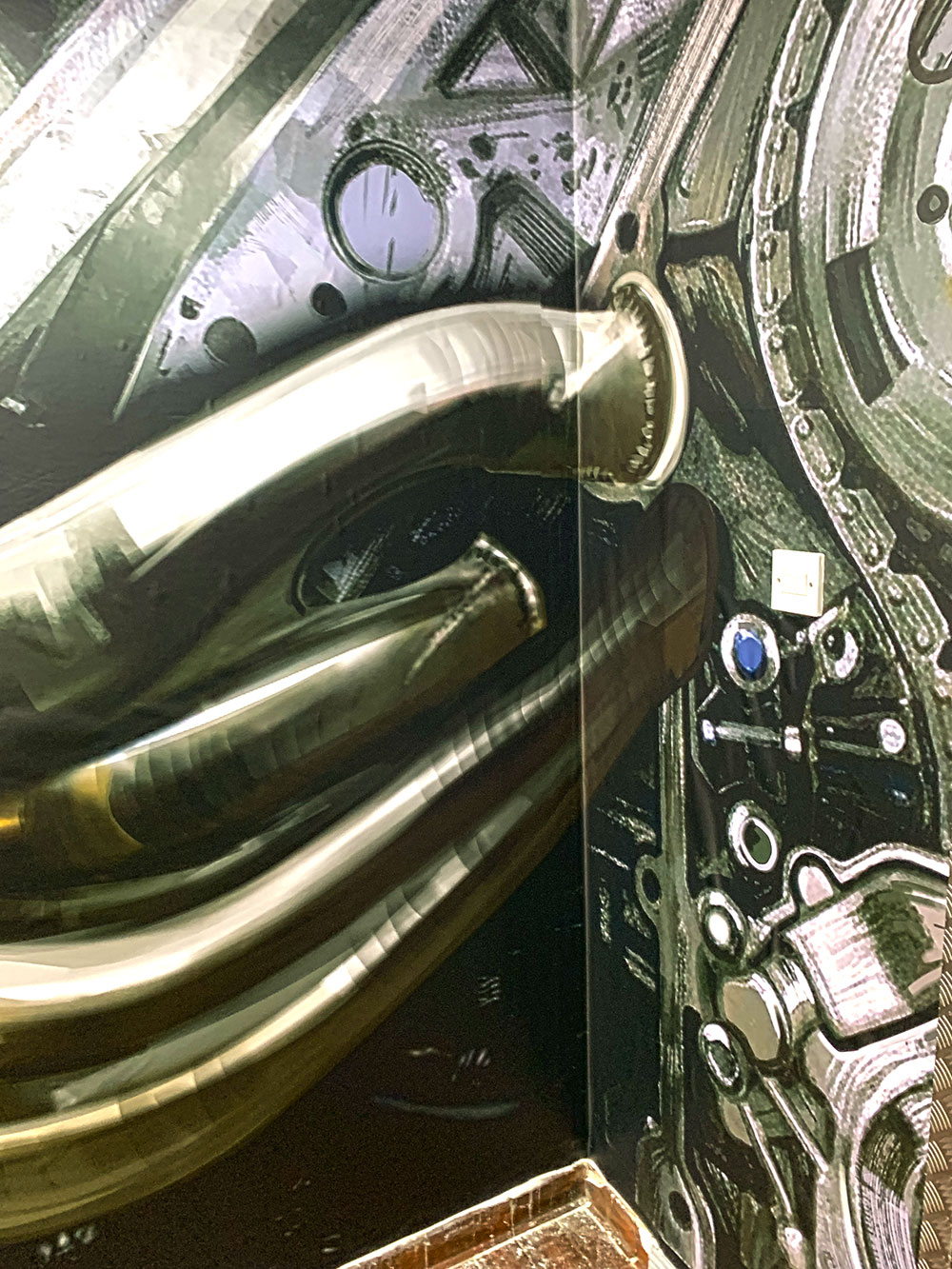
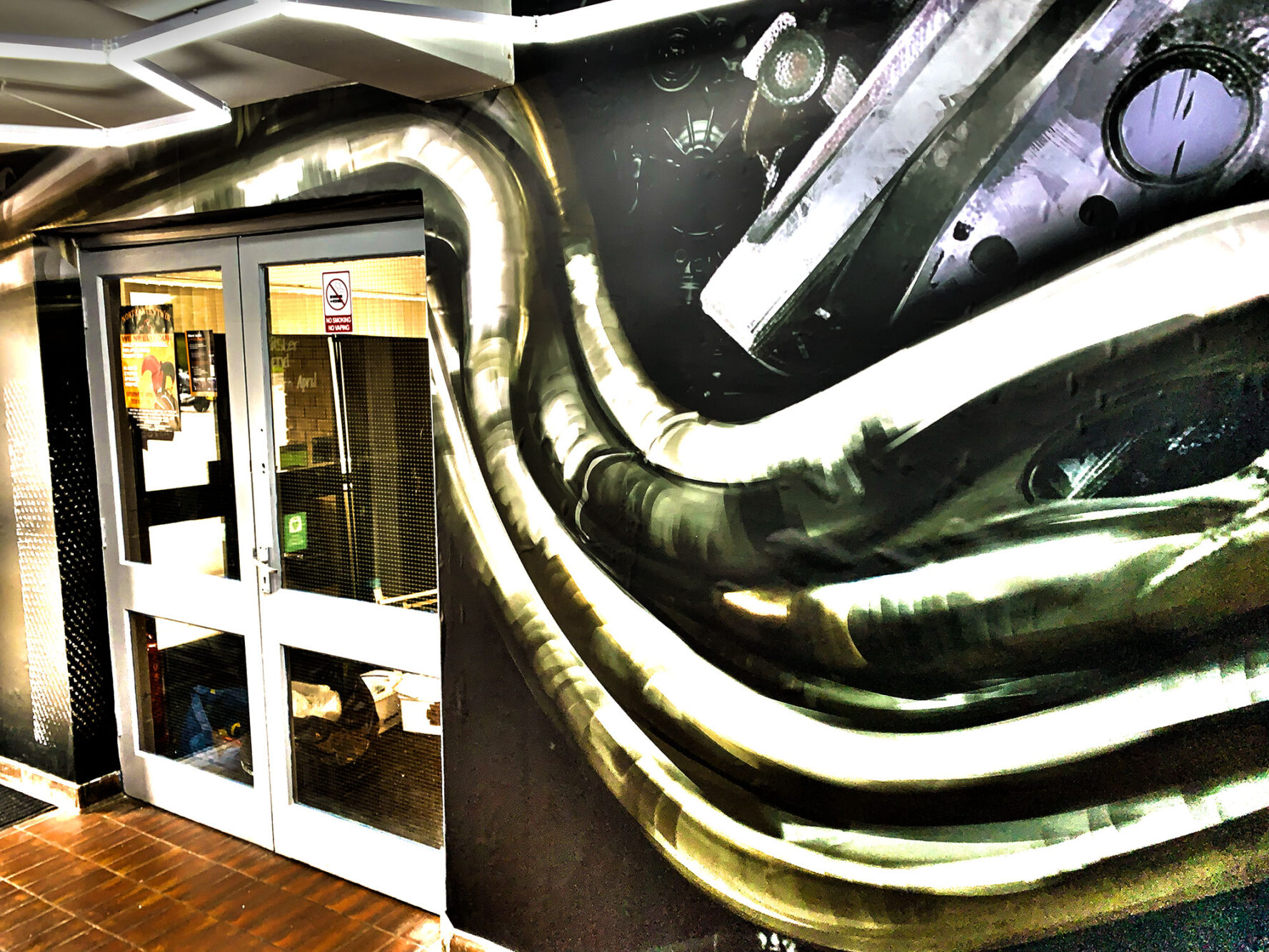
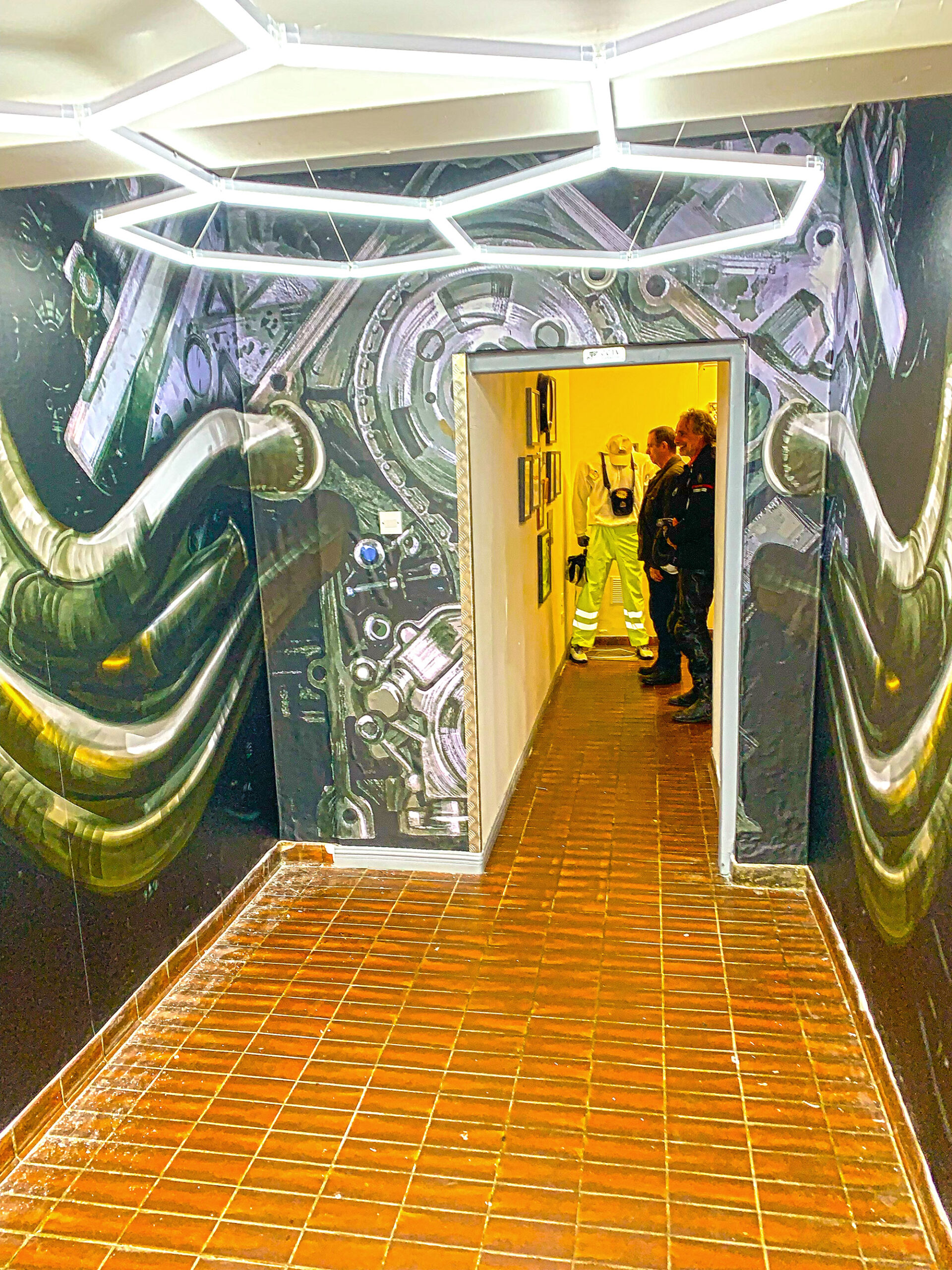
The foyer, which had a box-like shape, immediately suggested the form of an engine bay. We developed this into a bold wall artwork, transforming the room into the inside of an engine, complete with a large 3-litre engine block and turbo manifolds wrapping around the walls. This gave the entrance an immediate sense of energy and mechanical drama.
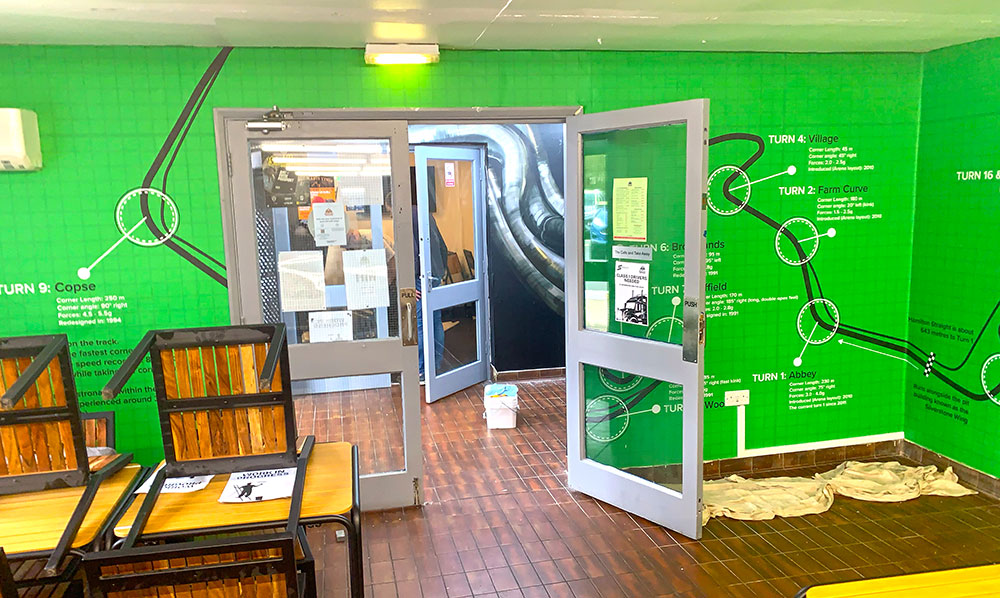
The main room was then split into two distinct but complementary themes. One side became an homage to the Silverstone circuit, celebrating the track’s history and significance. Key corners were highlighted with details such as radius, top speed, and what each section is known for, giving the walls both visual impact and enthusiast appeal.
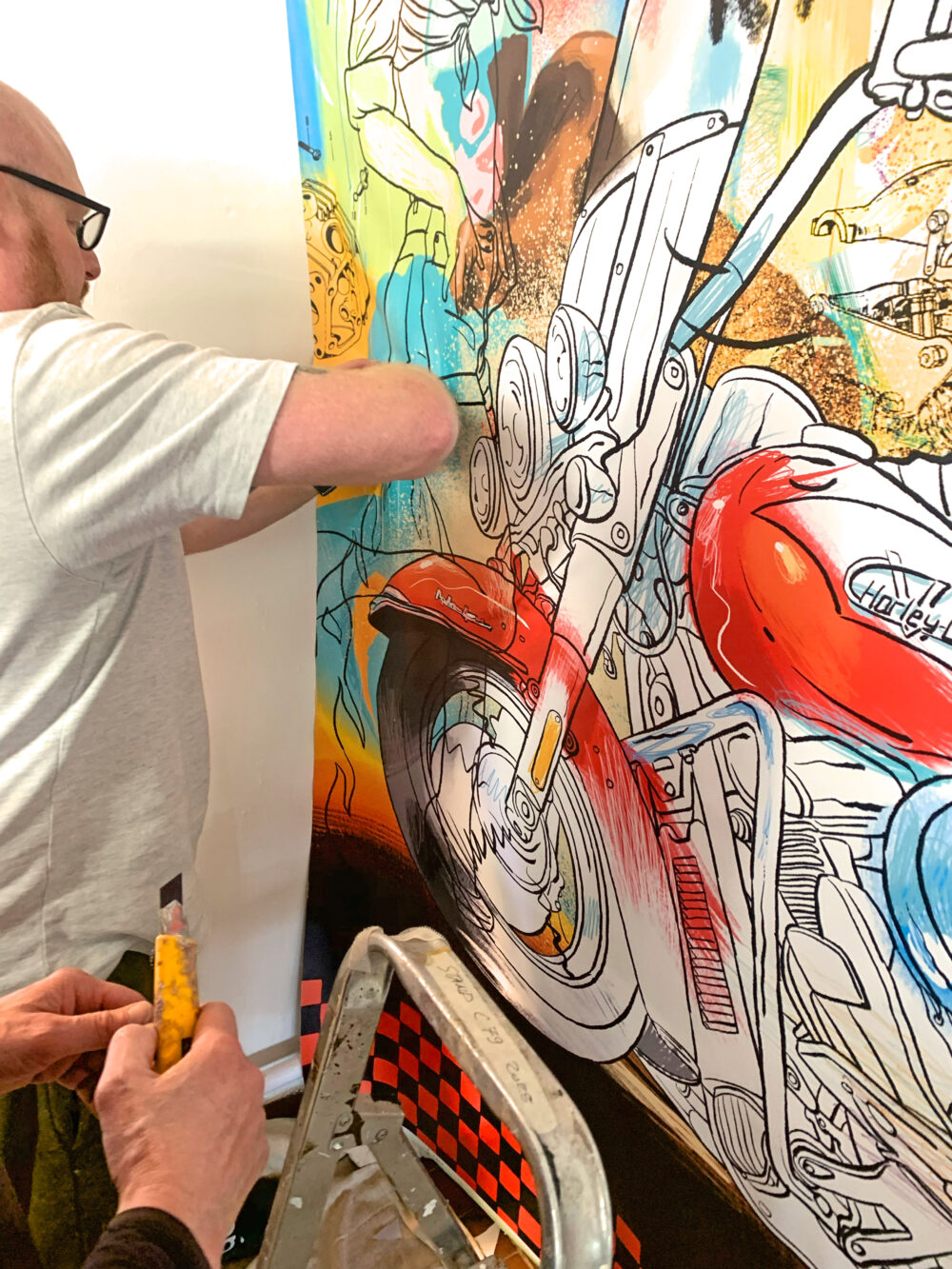
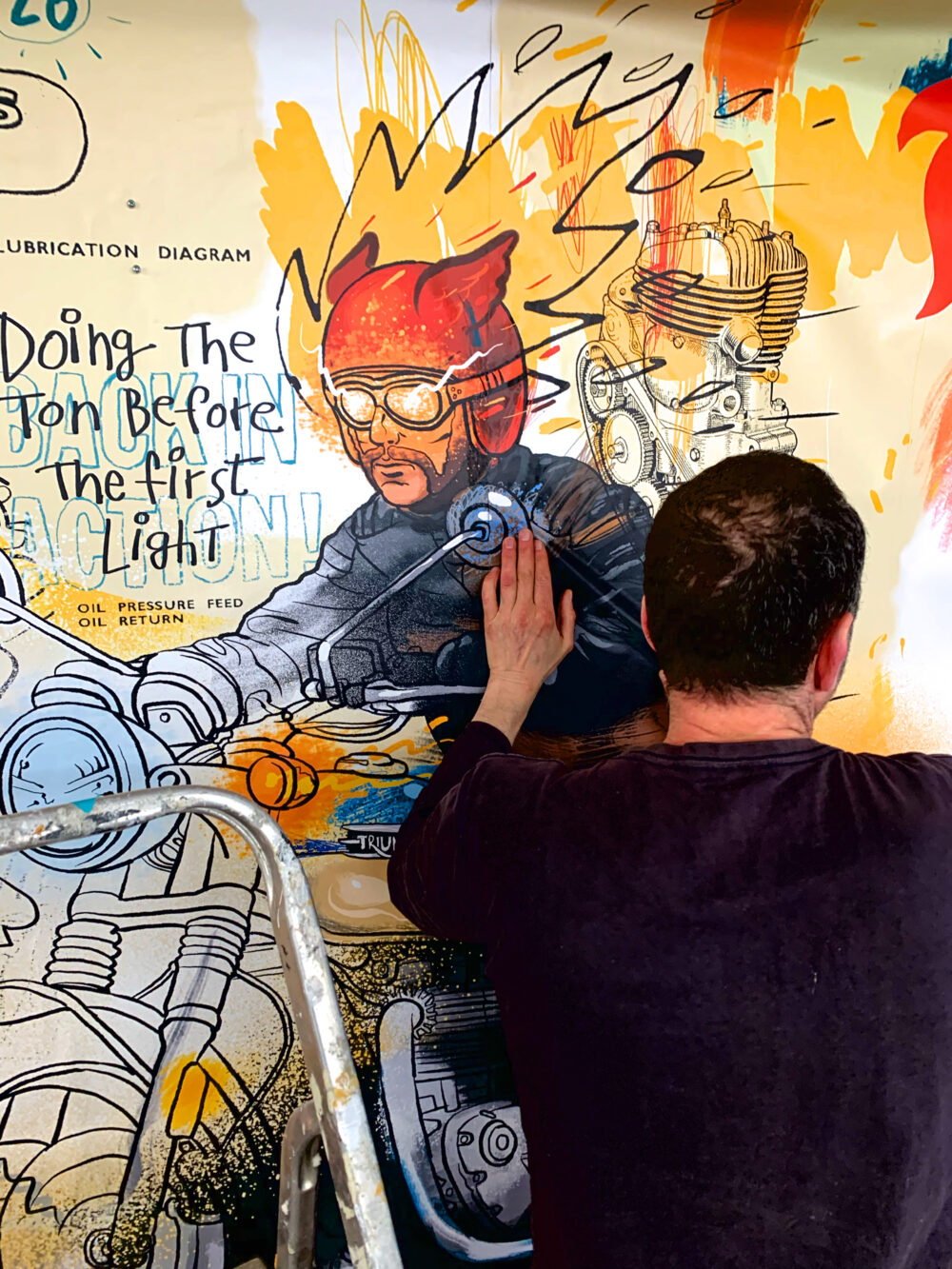
The second wall artwork focused on retro motorbike culture, featuring illustrated references to iconic bikes including the Honda RC30, alongside Triumphs and Harleys. This helped reflect the café’s importance as a meeting point for bikers, while broadening the appeal of the space across different parts of motorsport culture.
Together, the designs created an interior that felt bespoke, relevant, and rooted in the passions of the people who use the venue.
The installation was completed with a few days to spare, ready in time for the Easter open day.
The wall artwork transformed interior immediately gave the café the sense of identity it had been missing. Instead of feeling dated, it now reflected the energy, history, and enthusiast culture of its location. Customers were not just visiting the café — they were reacting to the space, talking about it, and sharing that experience with others.
That was exactly the goal. The aim was to create something special and interesting enough that people would go away and speak about it, effectively promoting the venue through word of mouth. The finished result achieved that by turning the café interior itself into part of the marketing.
This project is a strong example of how environmental design can do more than improve appearance. When tied closely to place, audience, and identity, it can transform a venue into an experience — one that customers remember, talk about, and help promote long after they have left.